Why Are My Calathea Leaves Curling? (And What to Do)
Calathea leaves curling? Learn the 6 most common causes including low humidity, watering problems, and temperature stress, plus how to fix each one.
Advertisement
Calatheas are stunning tropical plants known for their beautifully patterned leaves. But they’re also known for being a bit dramatic, and curling leaves is one of their favorite ways to tell you something is wrong.
If your Calathea’s leaves are curling inward, don’t give up on it. Let’s figure out what’s going on and how to fix it.
1. Low Humidity (The #1 Cause)
Calatheas are native to tropical rainforests where humidity levels hover around 60-80%. In most homes, humidity sits around 30-50%, which is simply too dry for these plants.
Signs
- Leaves curl inward from the edges
- Leaf tips turning brown and crispy
- Curling gets worse in winter (when heating dries the air)
The Fix
- Get a humidifier. This is the single best investment for Calathea owners. Place it near the plant and aim for 50-60% humidity.
- Pebble tray. Fill a tray with pebbles and water, then place the pot on top (not touching the water). As the water evaporates, it increases humidity around the plant.
- Group plants together. Plants release moisture through transpiration, so grouping them creates a more humid microclimate.
- Avoid misting. Despite popular advice, misting provides only temporary relief and can promote fungal issues.
2. Underwatering
Calatheas like consistently moist (not soggy) soil. When the soil dries out too much, the leaves curl to conserve moisture.
Signs
- Soil is dry 2+ inches deep
- Leaves feel lighter and papery
- Curling improves after watering
The Fix
- Water when the top 1 inch of soil feels dry
- Use room-temperature water (cold water shocks the roots)
- Water thoroughly until it drains from the bottom
- Consider switching to filtered or distilled water, since Calatheas are sensitive to chemicals in tap water
3. Too Much Direct Sunlight
Calatheas thrive in medium to bright indirect light. Direct sunlight scorches their delicate leaves, causing them to curl as a protective response.
Signs
- Curling plus faded or bleached leaf patterns
- Brown, crispy patches on leaves
- Leaves look washed out
The Fix
- Move the plant to a spot with bright, indirect light
- North or east-facing windows are ideal
- Use sheer curtains to filter harsh afternoon sun
- Calatheas can tolerate low light, but growth will slow
4. Temperature Stress
Like humidity, temperature plays a crucial role. Calatheas prefer temperatures between 65-80°F (18-27°C) and are extremely sensitive to cold drafts.
Signs
- Sudden curling after a temperature change
- Curling worse at night or in winter
- Plant is near a window, door, or vent
The Fix
- Keep temperatures consistent and avoid placing near external doors or drafty windows
- Keep away from air conditioning and heating vents
- Don’t let temperature drop below 60°F (15°C)
5. Water Quality Issues
This is the sneaky one. Calatheas are notoriously sensitive to fluoride, chlorine, and minerals in tap water. Over time, these chemicals build up in the soil and cause leaf curling and browning.
Signs
- Gradual onset of curling and brown tips
- White mineral deposits on soil surface
- Problem persists despite correct watering and humidity
The Fix
- Switch to filtered, distilled, or rainwater
- If using tap water, let it sit overnight to allow chlorine to evaporate (note: this doesn’t remove fluoride)
- Flush the soil every few months by running water through it for several minutes
6. Root Problems
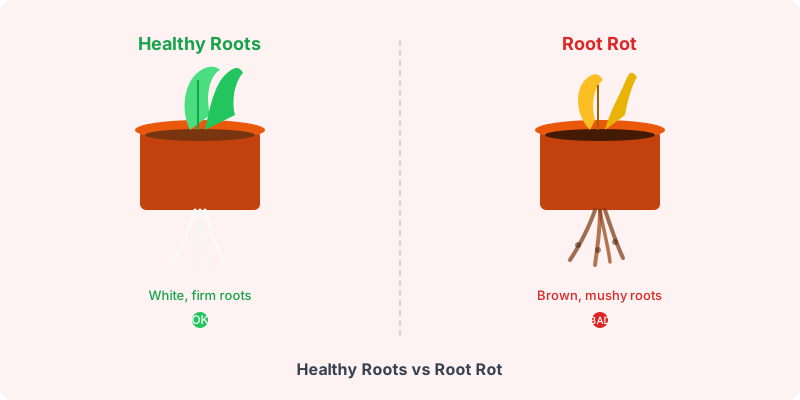
If you’ve checked everything above and the curling continues, the issue might be underground. Root rot from overwatering or a severely root-bound plant can prevent proper water uptake.
The Fix
- Gently remove the plant from its pot
- Inspect the roots: healthy roots are white or tan, rotting roots are brown and mushy
- Trim away any damaged roots
- Repot in fresh, well-draining soil with perlite mixed in
- Use a pot with drainage holes
Quick Diagnosis Checklist
| Symptom | Likely Cause | First Step |
|---|---|---|
| Curling + crispy edges | Low humidity | Add humidifier |
| Curling + dry soil | Underwatering | Water thoroughly |
| Curling + bleached leaves | Too much sun | Move to indirect light |
| Curling + brown tips | Water quality | Switch to filtered water |
| Curling + mushy stems | Overwatering/root rot | Check roots, repot |
The Bottom Line
Calathea leaf curling is almost always caused by humidity or watering issues. Start with the basics: boost humidity, check your watering routine, and switch to filtered water. Most Calatheas will bounce back within a week or two once conditions improve.
These plants have a reputation for being fussy, but once you dial in the right environment, they’re incredibly rewarding.
Advertisement