Why Is My Pothos Drooping? How to Revive It Fast
Discover the most common reasons your Pothos is drooping and learn proven methods to revive it quickly. From watering issues to root rot, we cover everything.
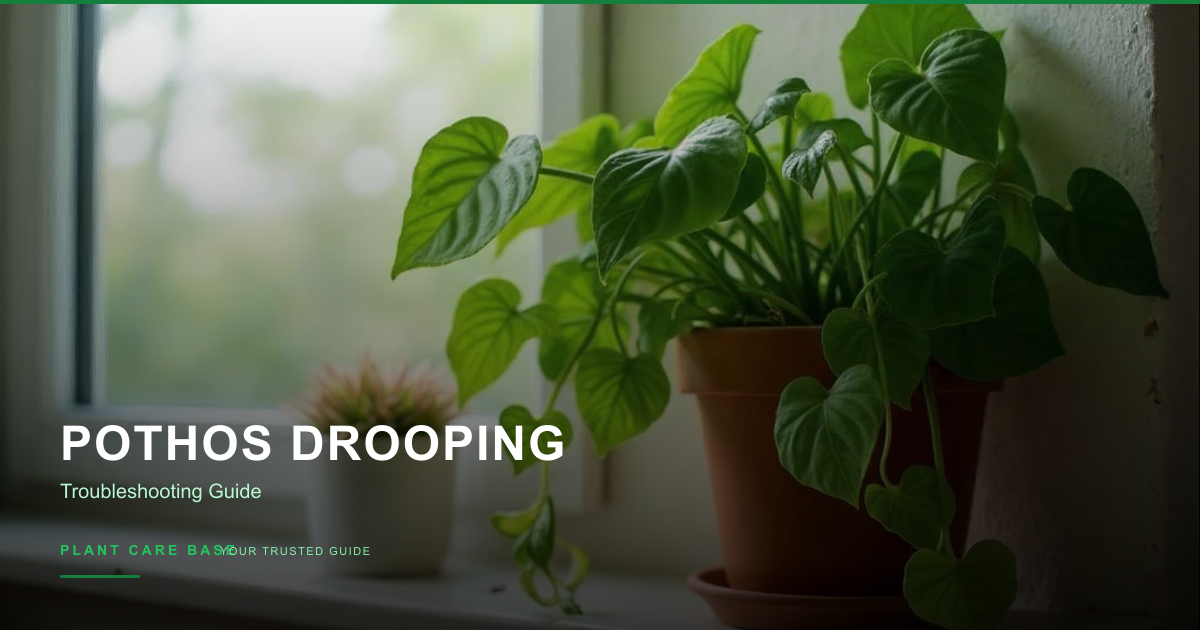
Your pothos was looking perfect last week and now every leaf is hanging like it gave up. I know that feeling. I walked into my kitchen one Monday morning and found my golden pothos looking completely lifeless. My first thought was “it’s dead.” But after a thorough watering, it was standing tall again by lunchtime. That moment taught me something important: pothos are dramatic, but they’re almost never beyond saving.
If your pothos is drooping right now, take a breath. This is one of the most common issues pothos owners face, and nine times out of ten, it’s an easy fix. Let me walk you through every possible cause, because I’ve dealt with all of them at some point.
The Most Common Cause: Underwatering
I’m going to start here because this is the answer about 80% of the time. Pothos are tough plants that tolerate some neglect, but when the soil goes bone dry, the stems lose their turgor pressure (that internal water pressure that keeps everything upright) and the whole plant wilts.
The good news? This is the easiest fix in all of plant care.
How to Check
Stick your finger about 2 inches into the soil. If it feels completely dry and crumbly, your pothos is thirsty. You might also notice the soil pulling away from the edges of the pot, and that’s another sign it’s been dry for too long.
The Fix
- Water the plant thoroughly until water drains freely from the bottom holes
- Let it sit in the drainage tray for 15-20 minutes so the soil can absorb evenly
- Empty any remaining water from the tray
- Watch the magic happen. Most underwatered pothos perk up within 2-6 hours
I’ve timed this with my own plants out of curiosity. One particularly droopy golden pothos went from “completely dead looking” to “perfectly upright” in about three hours after watering. That’s how resilient these plants are.
If you’re someone who tends to forget watering (no judgment, I’ve been there), our overwatering vs underwatering guide has a practical finger-test method that takes all the guesswork out.
Overwatering and Root Rot
Here’s where it gets tricky. Overwatering causes drooping too, but the mechanism is completely different, and it’s much more dangerous than simply forgetting to water.
When roots sit in waterlogged soil, they suffocate. Without oxygen, they start to decay, and fungi move in. That’s root rot, and once it sets in, the roots can’t absorb water anymore. So your plant droops from dehydration even though the soil is soaking wet. It’s counterintuitive, and it’s exactly why so many people make the problem worse by watering a drooping overwatered plant even more.
I lost my first marble queen pothos this way. It was drooping, I watered it, it drooped more, I watered it again. By the time I finally checked the roots, they were brown mush. That was the lesson that made me start doing the finger test before every single watering.
Signs of Overwatering
- Soil still feels wet or soggy days after watering
- Yellowing leaves alongside the drooping
- Mushy or brown roots when you check (healthy roots are white and firm)
- A sour or musty smell coming from the soil
- Tiny fungus gnats buzzing around the pot
The Fix
- Stop watering immediately. Put the watering can down
- Remove the plant from its pot and gently shake off wet soil
- Inspect the roots: trim away everything brown, black, or mushy with sterilized scissors
- Let the roots air dry for 30-60 minutes
- Repot in fresh, well-draining potting mix with perlite mixed in
- Wait 3-5 days before watering again
- Going forward, always check soil moisture before watering
If you’re dealing with severe root rot, our full root rot rescue guide walks through the entire process step by step.
Temperature Stress
Pothos are tropical plants. They’re comfortable in the same temperatures you are, roughly 65-85°F (18-29°C). But expose them to cold drafts, an air conditioning vent blowing directly on them, or temperatures below 50°F (10°C), and the leaves will droop as a stress response.
I noticed this with my pothos that sits near the front door. Every winter, it would look slightly wilted, even though my watering was consistent. It took me an embarrassingly long time to realize that every time I opened the front door, a blast of cold air hit the plant. I moved it six feet further from the door and the problem disappeared.
Signs of Temperature Stress
- Drooping appeared suddenly after the weather changed or you moved the plant
- Leaves feel cold to the touch
- The plant is near a window, exterior door, or vent
- Drooping is worse in the morning (overnight temperature drops)
The Fix
- Move your pothos away from cold windows, exterior doors, and drafts
- Keep it in a room with consistent temperature
- Avoid placing it near heating or cooling vents. The constant air flow is stressful even if the temperature is fine
- In winter, pull plants back from windows, especially single-pane ones
Root Bound Plant
If your pothos has been thriving in the same pot for two or three years, it may have quietly outgrown its home. When roots run out of space, they circle around themselves and compact into a dense ball. A root-bound plant can’t absorb water efficiently because the water just runs through the tangled roots and out the bottom without actually hydrating the plant.
Signs It’s Root Bound
- Roots growing out of the drainage holes
- Water runs straight through the pot without soaking in
- The plant dries out noticeably faster than it used to (every 2-3 days instead of weekly)
- You can see roots circling on the soil surface
- The plant seems stuck and it’s stopped putting out new growth
The Fix
Repot into a pot that’s 1-2 inches larger in diameter. Gently loosen the root ball with your fingers, untangling any circling roots. Use fresh, well-draining potting mix with perlite, and water thoroughly after repotting. Your pothos might look a little stressed for a week after repotting, but it should bounce back quickly with room to breathe.
Don’t jump to a pot that’s way too big. Excess soil holds excess moisture, and that’s a fast track to root rot.
Less Common Causes
Too Much Direct Sun
Pothos prefer bright, indirect light but tolerate a wide range. However, if yours is sitting in a spot with intense direct afternoon sun, the leaves can wilt and even burn. This looks different from underwatering. The leaves might have crispy brown patches or look bleached.
Move it to a spot with filtered light. For the full care rundown, check our pothos care guide.
Transplant Shock
Did you just repot your pothos? Some drooping after repotting is completely normal. The roots need a few days to settle into their new soil. Keep the plant in indirect light, water lightly, and give it a week. It should recover on its own.
Pest Stress
Less common but worth checking: mealybugs, spider mites, or scale insects feeding on your pothos can weaken the plant enough to cause drooping. Look closely at the undersides of leaves and along the stems for tiny bugs, white fuzzy patches, or sticky residue.
How to Prevent Future Drooping
Once you’ve fixed the immediate problem, these habits will keep your pothos standing tall:
- Do the finger test every time. Stick your finger 2 inches into the soil before watering. Dry means water. Moist means wait. This single habit prevents most problems.
- Use well-draining soil. A standard potting mix with a generous handful of perlite keeps things airy. Soggy soil is the enemy.
- Always use pots with drainage holes. No exceptions. Those cute pots without holes? Use them as covers for a nursery pot that does drain.
- Keep temperatures stable. Away from drafts, vents, and cold windows.
- Repot every 1-2 years. Don’t wait until roots are bursting out the bottom.
- Know your plant’s rhythm. After a few weeks of consistent care, you’ll learn how fast your specific pothos drinks water. That knowledge is better than any watering schedule.
Quick Diagnosis Table
| Symptom | Likely Cause | First Step |
|---|---|---|
| Drooping + dry soil | Underwatering | Water thoroughly, watch for recovery in hours |
| Drooping + wet soil + yellow leaves | Overwatering/root rot | Stop watering, check roots. See pothos yellow leaves guide |
| Drooping + cold location | Temperature stress | Move to a warmer spot |
| Drooping + roots out of drainage holes | Root bound | Repot one size up |
| Drooping + recently repotted | Transplant shock | Wait a week, keep in indirect light |
| Drooping + sticky residue on leaves | Pest infestation | Inspect for bugs, treat with neem oil |
The Bottom Line
A drooping pothos is almost always a watering issue, either too little or too much. Start with the finger test. If the soil is dry, water thoroughly and your plant will likely bounce back within hours. If the soil is wet and the plant is still drooping, check the roots for rot.
Your pothos is tougher than you think. I’ve seen pothos come back from situations that looked absolutely hopeless. One of my best houseplants for beginners list favorites for exactly this reason. They forgive mistakes and reward you with beautiful trailing vines.
Give yours a little attention, figure out what it’s telling you, and you’ll have a thriving plant again before the week is out.
Frequently Asked Questions
Why is my pothos drooping even after watering?
How long does it take for a drooping pothos to recover?
Should I mist my drooping pothos?
Can a severely drooping pothos be saved?
Don't miss our guides
Weekly plant care newsletter.