Why Is My Pothos Drooping? How to Revive It Fast
Discover the most common reasons your Pothos is drooping and learn proven methods to revive it quickly. From watering issues to root rot, we cover everything.
Advertisement
If you’ve noticed your once-perky Pothos looking sad and wilted, don’t panic. Drooping is one of the most common issues Pothos owners face, and the good news is that it’s almost always fixable.
In this guide, we’ll walk through every possible reason your Pothos is drooping and give you step-by-step instructions to bring it back to life.
The Most Common Cause: Underwatering
Nine times out of ten, a drooping Pothos simply needs a drink. Pothos are tolerant of some neglect, but when the soil gets bone dry, the stems lose their turgor pressure and start to wilt.
How to Check
Stick your finger about 2 inches into the soil. If it feels completely dry, underwatering is likely the culprit.
The Fix
- Water the plant thoroughly until water drains from the bottom
- Let it sit in the drainage tray for 15-20 minutes
- Empty any remaining water from the tray
- You should see recovery within a few hours
Overwatering and Root Rot
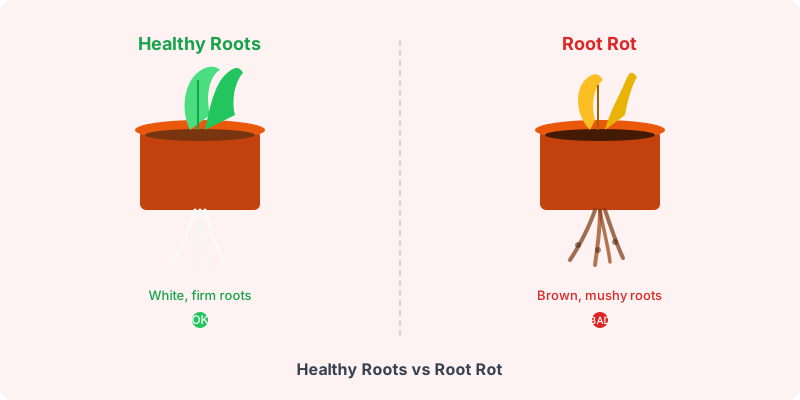
While underwatering is more common, overwatering can also cause drooping, and it’s actually more dangerous. When roots sit in waterlogged soil, they suffocate and begin to rot.
Signs of Overwatering
- Soil is consistently wet or soggy
- Yellowing leaves alongside drooping
- Mushy or brown roots when you check
- A musty smell from the soil
The Fix
- Stop watering immediately
- Remove the plant from its pot and inspect the roots
- Trim any brown, mushy roots with clean scissors
- Repot in fresh, well-draining potting mix
- Wait until the top inch of soil is dry before watering again
Temperature Stress
Pothos prefer temperatures between 65-85°F (18-29°C). Exposure to cold drafts, air conditioning vents, or temperatures below 50°F (10°C) can cause drooping.
The Fix
- Move your Pothos away from cold windows and drafts
- Keep it in a room with consistent temperature
- Avoid placing it near heating or cooling vents
Root Bound Plant
If your Pothos has been in the same pot for years, the roots may have outgrown their container. When roots are tightly packed, they can’t absorb water efficiently.
Signs It’s Root Bound
- Roots growing out of drainage holes
- Water runs straight through the pot without soaking in
- The plant dries out very quickly after watering
The Fix
Repot your Pothos into a pot that’s 1-2 inches larger in diameter. Use fresh, well-draining potting mix and water thoroughly after repotting.
How to Prevent Future Drooping
- Water on a schedule. Check the soil every 5-7 days.
- Use well-draining soil. Mix in perlite if needed.
- Ensure proper drainage. Always use pots with drainage holes.
- Keep temperatures stable. Avoid cold drafts and extreme heat.
- Repot every 1-2 years. Give roots room to grow.
The Bottom Line
A drooping Pothos is almost always a watering issue. Start by checking the soil moisture, adjust your watering routine, and your plant should bounce back within hours to days. If the problem persists, check for root rot, temperature stress, or a root-bound situation.
Your Pothos is tougher than you think. With a little attention, it’ll be thriving again in no time.
Advertisement