Why Your Monstera Isn't Splitting (And How to Fix It)
Monstera not splitting or growing fenestrations? Learn the 5 real reasons and the specific changes that make new leaves come in with the holes you want.
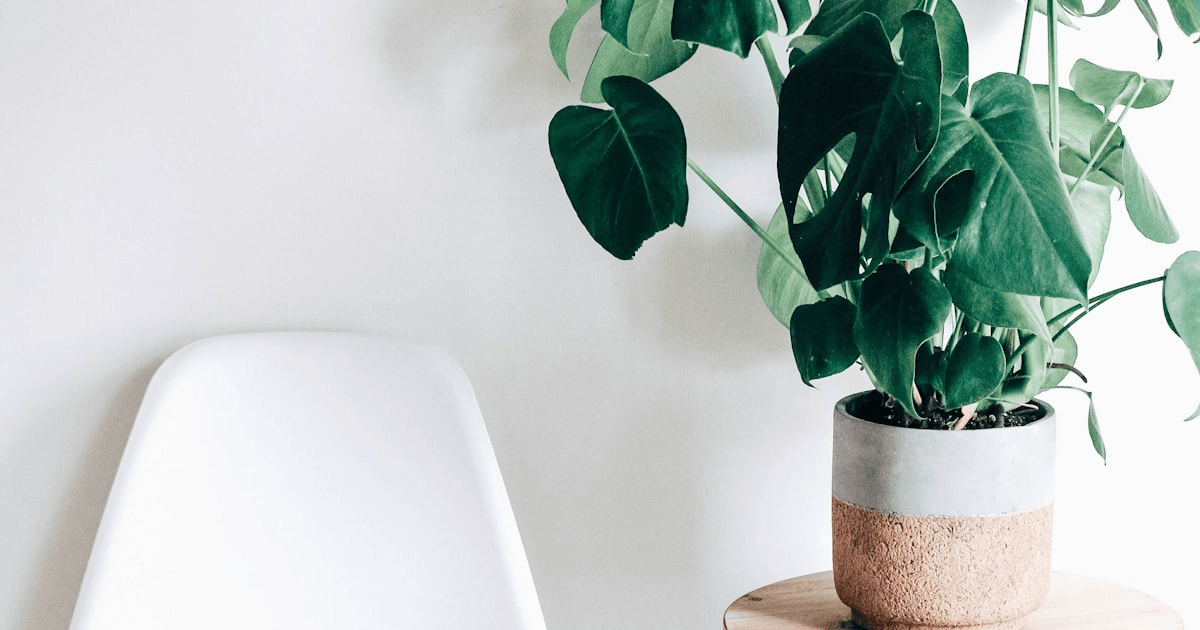
I waited two years for my monstera to put out a split leaf. Two years of solid, heart-shaped disappointment. Every new leaf unfurled bright green and perfect and completely unfenestrated, and I started wondering if I’d accidentally bought a different species. I’d done everything the generic care articles told me to do. Water when dry. Bright indirect light. Nice soil. Nothing.
Then I made three changes over the course of a month, and my next new leaf came in with one tiny split on the left side. The leaf after that had three splits. The leaf after that had five and a proto-hole. I had cracked the code, and it turned out to be simpler than I’d thought but required commitment to specific changes I hadn’t been making.
Here’s the thing nobody told me clearly: monstera splits (fenestrations) are not a care trick, they’re a signal that the plant is mature and well-lit enough to grow the “adult” form. If your leaves aren’t splitting, it’s almost always because at least one of those conditions isn’t being met. This guide walks through the 5 real reasons your monstera isn’t splitting, and the specific changes that fix each.
Why Monsteras Split in the First Place
Monstera deliciosa in the wild is a climbing vine that grows up tree trunks in the understory of Central American rainforests. The fenestrations (holes and splits) in mature leaves are thought to be an adaptation that lets light filter through to lower leaves and reduces wind damage during tropical storms.
Juvenile monsteras (young plants growing along the forest floor) have solid, heart-shaped leaves. This is their “juvenile form,” and it’s optimal for low-light conditions near the ground. As the plant matures and climbs up a tree into brighter light, it transitions to its “adult form,” which is the fenestrated leaves everyone wants.
The trigger for this transition is a combination of:
- Age and maturity of the plant
- Enough light (brighter than juvenile plants get on the forest floor)
- Something to climb (which raises the growth point into brighter conditions)
- Large enough leaves (usually 6+ inches wide before splits start)
If you’re not getting splits, one or more of these conditions isn’t being met. Let me walk through the specific reasons.
1. Not Enough Light (The #1 Cause)
This is the biggest reason by far, and it’s the one most people don’t realize is the problem. “Bright indirect light” is what every monstera care article recommends, and that’s technically correct, but “bright indirect” on the internet usually means “medium indirect” in reality. Monsteras need genuinely bright conditions to start splitting.
Signs
- Your plant is in a spot that feels “bright enough” to you but isn’t near a window
- The plant is growing, but new leaves are about the same size as old ones (not getting bigger)
- Leaves are solid hearts with no attempts at splitting
- New leaves come in a slightly paler shade of green
- The plant has been in the same spot for over a year with no splitting progress
The Fix
Move closer to a window. I mean genuinely close. Within 2-3 feet of a bright window, or right next to a curtain-filtered south or west window. East-facing windows are ideal because they give strong morning light without scorching.
Measure the light if you’re not sure. You can use a free lux meter app on your phone. Monsteras want 400-600+ foot-candles (roughly 4000-6000+ lux) for splitting to reliably happen. If your current spot measures less than that, that’s your answer.
Rotate the pot every 2 weeks so all sides of the plant get equal light, which prevents lopsided growth.
If no bright spot is available, grow lights work great. A full-spectrum LED grow light running 10-12 hours a day can replace a window for splitting purposes. I know people who’ve gotten their first splits exclusively under grow lights.
For context: the monstera care guide has more on light requirements, but if you remember one thing, it’s that “enough light” for juvenile growth is not enough light for splitting. The bar is significantly higher.
2. The Plant Isn’t Old Enough
Monsteras don’t start splitting until they’re mature, which usually means 2-3 years old. If you bought a small plant from a nursery 6 months ago, it might simply not be ready yet, regardless of how good your care is.
Signs
- The plant is still small, under about 18 inches tall
- Stems are thin and soft, not thick and woody
- You’ve had the plant for less than a year
- Leaves are still small (under 5-6 inches)
- The plant came from a small nursery pot recently
The Fix
Patience. I know that’s not satisfying, but sometimes it really is just a matter of time. Focus on providing great conditions (light, water, soil, space to grow) and trust that the splits will come.
Don’t try to force it. Some people stress their monsteras trying to induce “mature form” through root-binding or drought. This usually just damages the plant without speeding anything up.
Feed lightly during the growing season. A balanced liquid fertilizer at half strength, once a month from spring through early fall, supports the steady growth that leads to maturity. Don’t overdo it.
Watch for thicker stems. When the main stem starts getting genuinely thick and woody (instead of thin and green), the plant is approaching adult form and splits are usually within a few new leaves.
3. Nothing to Climb
This was the change that worked the fastest for me. When my monstera was sprawling across my shelf without any vertical support, it stayed stuck in juvenile form. Within 3 new leaves of attaching it to a moss pole, I had my first split.
Climbing matters because it mimics the plant’s wild growth pattern. In nature, monsteras send aerial roots into tree bark and pull themselves up into brighter canopy. The growth point rising into brighter conditions is part of what triggers the mature form.
Signs
- Your monstera is trailing or sprawling horizontally
- No support pole, stake, or climbing structure
- Aerial roots are dangling loose or growing sideways looking for something to grab
- The plant looks bushy and spread out rather than upright
The Fix
Get a moss pole. You can buy one for $15-25 or make one from a wooden stake wrapped in sphagnum moss. The key is that it should be at least 3-4 feet tall and have something the aerial roots can grip into (moss, coir, or rough bark). Our monstera aerial roots guide goes deeper into how to train the roots onto the pole and what to do with the rest.
Attach the plant gently. Use plant ties, velcro strips, or soft twine to secure the main stem to the pole. Don’t tie too tightly. The goal is to train the plant upward, not strangle it.
Mist the pole (or keep it lightly damp) so the aerial roots actually grab into it. This takes a few weeks.
Be patient through 1-2 leaf cycles. The plant needs time to establish on the pole before the new growth pattern kicks in.
I’ve heard some people say moss poles don’t matter and splits happen anyway. My experience is that adding a pole speeds up splitting dramatically for plants that were stuck. Your mileage may vary, but it’s a cheap experiment.
4. Stressed or Damaged Roots
A monstera with unhealthy roots can’t support the growth needed for split leaves. The plant conserves energy and keeps producing smaller, simpler juvenile leaves as a survival mode. This is easy to miss because the symptoms don’t always look like “root problems.”
Signs
- New leaves are noticeably smaller than previous ones
- Growth has slowed or stopped entirely
- The plant looks “stuck”
- You’ve had watering issues (either over or under) in the past few months
- Repotted recently and the plant is sulking
- Soil stays wet for days after watering (a sign of root rot)
The Fix
Check the roots. Gently tip the plant out of the pot. Healthy monstera roots are white or light tan and feel firm. If they’re brown, mushy, or there’s a sour smell, you need to trim the damaged roots and repot in fresh, well-draining soil.
Fix your watering routine. Monstera wants the top 1-2 inches of soil to dry between waterings. Not bone dry, not soggy. If you’ve been inconsistent or watering on a schedule, switch to checking the soil with your finger.
Use well-draining soil. A good monstera mix is about 60% standard potting soil, 20% perlite, and 20% orchid bark. This gives the roots air and prevents soggy conditions that lead to rot.
Give it time to recover. A stressed monstera often takes 2-3 months to bounce back before it starts producing the bigger, split leaves you want. Don’t move it, don’t repot it again, just give it stable conditions.
5. The Pot Is Too Big (or Too Small)
This one surprises people. Monsteras actually prefer to be slightly rootbound. If you repotted into a massive pot thinking “more space = more growth,” you may have slowed the plant down.
Signs
- You recently repotted into a pot much larger than the previous one
- Growth slowed or stopped after the repot
- The soil stays damp for days after watering (because the extra volume holds water)
- You can see lots of empty soil around the roots when you check
Alternatively:
- The plant has been in the same small pot for 2+ years
- Roots are circling the bottom of the pot or coming out of drainage holes
- Watering drains through almost immediately
- The plant looks top-heavy and unstable
The Fix
If the pot is too big: leave it alone and wait. The plant will eventually fill out the pot, but it’ll take months. In the meantime, water more carefully (less often) because the extra soil holds water longer and can drown the roots. Consider switching to a smaller pot if you’re not seeing recovery in 2-3 months.
If the pot is too small: repot into one that’s 2 inches larger in diameter. Don’t go bigger than that. Use fresh, well-draining monstera soil mix. Water thoroughly after repotting and don’t fertilize for 4 weeks while the roots adjust.
Rule of thumb for monstera pot size: there should be 1-2 inches of soil around the root ball, no more. Monsteras like to feel slightly crowded to switch into mature form.
The Three Changes That Actually Worked for Me
Since we’ve covered the general causes, here’s the specific combination that got my own monstera splitting after two years of solid leaves:
- Moved it to within 2 feet of a south-facing window (filtered by a sheer curtain to prevent burning). Light went from “comfortable” to “actually bright.”
- Attached it to a 4-foot moss pole with plant ties, trained the main stem upward, misted the pole twice a week so aerial roots could grip.
- Left it alone otherwise. Same watering routine, same soil, no repotting. Just light and support.
First split appeared on the third new leaf after those changes. Each subsequent leaf had more splits. Within 6 months I had a plant that looked like a different species from what I’d had before.
When Splitting Still Won’t Happen
If you’ve fixed light, given it a pole, made sure it’s rootbound-enough, and waited 6+ months through multiple new leaves, and still no splits, something else is going on. Usually one of these:
- Light is still not bright enough. Lux meters don’t lie. If you’re under 400 foot-candles, the plant can’t make the jump. Get a grow light or find a brighter window.
- The plant is extremely young. Some nursery plants are grown from tiny tissue cultures and don’t reach maturity for 3+ years.
- Genetic variation. Some individual monsteras just split slower than others. It’s annoying but real.
- Chronic health issues. If the plant is constantly stressed from watering, pests, or soil problems, it won’t commit to mature-form growth. Address those first.
For broader monstera care fundamentals, our monstera care guide covers light, water, and soil in more detail. If you’re seeing yellowing leaves alongside the lack of splitting, fix those symptoms first, then worry about fenestrations.
The Bottom Line
Splitting is mostly about light and maturity. Give your monstera the brightest spot you can, something to climb, and a year or so of stable conditions, and splits almost always follow. Don’t try to force it, don’t stress the plant, and don’t give up after a few unfenestrated leaves. My monstera went from “boring solid hearts” to “dramatic swiss cheese” within six months of making the right changes, and yours can too.
If you’re just starting out with a small monstera, my advice is this: plan for light and a moss pole from day one. Don’t wait two years like I did. The earlier you set up the right conditions, the faster your plant transitions into mature form.
And once the splits start, they usually keep coming. Each new leaf tends to have more fenestrations than the last, and eventually you’ll be looking at the deep, dramatic splits that made you want a monstera in the first place. It’s worth the wait.
Frequently Asked Questions
At what age do monstera leaves start splitting?
Will an unfenestrated monstera leaf eventually split?
Can I force my monstera to split faster?
Does a moss pole actually help a monstera split?
Don't miss our guides
Weekly plant care newsletter.