Overwatering vs Underwatering: How to Tell the Difference
Can't tell if your plant needs more water or less? Here's how to spot the difference between overwatering and underwatering, plus how to fix both.
Advertisement
Your plant looks terrible. The leaves are drooping, maybe yellowing, and you’re standing there with a watering can thinking: “Do I water it, or have I watered it too much already?” I’ve been in that exact spot more times than I’d like to admit. The tricky part is that overwatering and underwatering can look almost identical at first glance, and guessing wrong makes the problem worse.
Let’s break down exactly how to tell the difference so you can stop guessing and start fixing.
Why This Is So Confusing
Here’s the thing that trips up nearly every plant owner: both overwatering and underwatering cause wilting. That’s right. Too much water? Wilting. Too little water? Also wilting. The symptoms overlap in ways that make it genuinely hard to tell what’s going on, especially if you’re newer to houseplants.
The reason is actually pretty simple. When a plant is underwatered, the cells lose water and the stems can’t hold themselves up. When it’s overwatered, the roots start to suffocate and rot, which means they can’t absorb water anymore. Either way, the plant isn’t getting the water it needs in its leaves, so it wilts.
This is exactly why so many people accidentally kill their plants by overwatering an already overwatered plant. They see the drooping, assume it needs a drink, and make things ten times worse. If you’ve ever had a Pothos start drooping and couldn’t figure out why, this confusion is probably what happened.
Signs of Overwatering
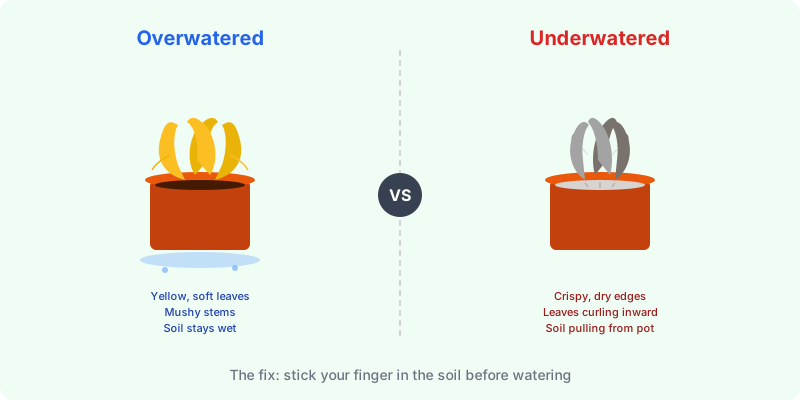
Overwatering is the number one killer of houseplants. It’s a bigger threat than underwatering because the damage happens underground where you can’t see it, and by the time symptoms show up, the roots may already be in bad shape.
Here’s what to look for:
- Yellowing leaves, starting from the bottom. The oldest leaves turn yellow first and may drop off. This is different from the occasional yellow leaf every plant gets.
- Mushy, soft stems. If the base of the stem feels squishy instead of firm, there’s too much water in the system.
- Soil stays wet for days. If you watered your plant three or four days ago and the soil still feels damp, the roots aren’t drinking because they’re damaged.
- Fungus gnats. Those tiny flies buzzing around your plant? They love moist soil. A fungus gnat problem almost always points to overwatering.
- Foul smell from the soil. Healthy soil smells earthy. If it smells sour or rotten, the roots are likely decaying. That’s root rot, and it needs immediate attention.
- Brown spots that are soft and mushy. Press a brown spot on the leaf gently. If it feels wet and squishy, overwatering is the cause.
Signs of Underwatering
Underwatering is easier to come back from than overwatering, which is good news. But it still stresses your plant and can cause permanent damage if it goes on too long. You might notice these signs with something like a Calathea curling its leaves inward to try to conserve moisture.
Here’s what underwatering looks like:
- Drooping, wilting leaves that feel dry and crispy. This is the big clue. Pick up a drooping leaf. If it feels thin, papery, and dry, the plant needs water.
- Soil pulling away from the edges of the pot. When soil gets really dry, it shrinks and creates a gap between itself and the pot walls. Water then runs down the sides and out the drainage holes without ever reaching the roots.
- Brown tips and edges that are dry and crispy. Unlike the mushy brown spots of overwatering, these are papery and crunch when you touch them.
- Slow or stalled growth. If your plant hasn’t put out a new leaf in months during the growing season, it might not have enough water to support new growth.
- Leaves curling inward. This is the plant’s way of reducing its surface area to lose less moisture through evaporation. It’s a survival move.
The One Test That Always Works
Forget trying to diagnose your plant by staring at the leaves. There’s one test that gives you the answer in about two seconds, and it works every single time.
Stick your finger into the soil.
That’s it. Push your finger about 2 inches deep into the potting mix.
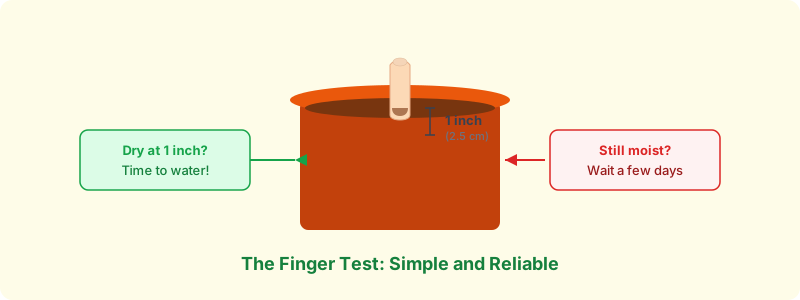
- If the soil feels wet and sticks to your finger: you’ve been overwatering. The plant doesn’t need more water right now, and it probably didn’t need water last time either.
- If the soil feels bone dry and crumbly: your plant is thirsty. Give it a good drink.
- If it feels lightly moist but not wet: for most plants, this is actually the sweet spot. Leave it alone and check again in a day or two.
This test beats any gadget or moisture meter you can buy. Your finger can tell the difference between damp and dry just fine. I use this method for everything from my spider plant to my tropicals, and it hasn’t failed me yet.
Overwatering vs Underwatering: Side-by-Side Comparison
When you’re in doubt, use this quick reference table:
| Symptom | Overwatering | Underwatering |
|---|---|---|
| Leaves | Yellow, limp, soft | Dry, crispy, curling |
| Soil | Wet, soggy for days | Bone dry, pulling from pot edges |
| Stems | Mushy, soft at base | Dry, possibly shriveled |
| Brown spots | Soft, mushy, dark | Dry, crispy, papery |
| Leaf drop | Yellow leaves fall easily | Dry, brown leaves fall |
| Smell | Sour or rotting odor | No unusual smell |
| Pests | Fungus gnats | Spider mites (thrive in dry conditions) |
| Soil test (finger) | Wet after several days | Completely dry |
| Recovery speed | Slow (days to weeks) | Fast (hours to a day) |
How to Fix Overwatering
If you’ve confirmed that overwatering is the problem, here’s your game plan:
Step 1: Stop watering. This sounds obvious, but seriously, put the watering can down and step away from the plant. Let the soil dry out before you even think about watering again.
Step 2: Check drainage. Does your pot have drainage holes? If not, that’s a big part of the problem. Water has nowhere to go, so it just sits at the bottom and drowns the roots. Transfer your plant to a pot with holes, or drill some into the existing one.
Step 3: Inspect the roots. Gently tip the plant out of its pot and look at the roots. Healthy roots are white or light tan and feel firm. If you see brown, mushy, or slimy roots, you’re dealing with root rot. Trim away all the damaged roots with clean scissors, and repot in fresh, dry potting mix.
Step 4: Adjust your schedule. Going forward, always check the soil before watering. Most houseplants do best when the top 1-2 inches of soil dry out between waterings.
One more thing: if you’re growing something like Pothos, which is commonly overwatered by beginners, remember that these plants prefer to dry out a bit between drinks.
How to Fix Underwatering
The good news? Underwatering is usually much easier to fix than overwatering. Plants are surprisingly resilient when it comes to bouncing back from drought.
Bottom watering method: This is my go-to for badly dried-out plants. Fill a bowl or tray with a few inches of water and set your plant pot in it (make sure the pot has drainage holes). Let it sit for 20-30 minutes. The soil will absorb water from the bottom up, rehydrating evenly. This is especially helpful when the soil has pulled away from the pot edges, because top watering just runs down the gap without soaking in.
Soak it thoroughly: If you prefer top watering, water slowly and deliberately. Add water, let it absorb, add more, let it absorb, and repeat until water drains freely from the bottom. One quick splash isn’t enough for severely dry soil.
Set a reminder: If you keep forgetting to water, there’s no shame in setting a phone alarm. Check every 5-7 days in the growing season and every 10-14 days in winter. You don’t have to water every time you check. Just stick your finger in the soil and decide from there.
Watering Tips That Prevent Both Problems
The best fix is never having the problem in the first place. Here’s how to keep your watering on track:
Always do the finger test before watering. This single habit will prevent 90% of watering problems. Don’t water on a rigid schedule without checking the soil. Different plants in different spots dry out at different rates.
Use pots with drainage holes. Every time. I don’t care how cute that ceramic pot without holes is. Either drill holes in it or use it as a decorative cover for a plastic nursery pot that does have drainage. Standing water at the bottom of a pot is a root rot invitation.
Adjust with the seasons. Your plants need significantly less water in fall and winter when growth slows down, daylight decreases, and the soil dries more slowly. That weekly summer watering schedule might become every two to three weeks in December. If you’re new to seasonal adjustments, guides like our best houseplants for beginners can help you build good habits from the start.
Know your specific plant. A succulent and a fern have completely different water needs. Succulents want to dry out completely between waterings. Tropicals like Calatheas prefer consistent moisture. A spider plant falls somewhere in between. Learn what your particular plant actually wants instead of treating them all the same.
Watch pot size and soil type. A small plant in a huge pot will stay wet too long because there aren’t enough roots to drink up all that moisture. Match pot size to plant size, and use well-draining potting mix with perlite to keep things airy.
Quick Summary
If your plant is struggling and you’re not sure whether it’s getting too much or too little water, here’s the short version:
- Overwatering: yellow leaves, mushy stems, wet soil, bad smell, fungus gnats. Fix by letting soil dry, checking drainage, and trimming rotten roots.
- Underwatering: crispy leaves, dry curling edges, bone-dry soil, slow growth. Fix by bottom watering or soaking thoroughly.
- The finger test is your best friend. Stick your finger in the soil before every watering. Wet means wait. Dry means water. Done.
Most plants would rather be slightly underwatered than overwatered. When in doubt, wait a day and check again. Your plants are tougher than you think, and once you get the watering dialed in, everything else gets easier.
Advertisement