How to Fix Root Rot in Houseplants (Before It's Too Late)
Spot the signs of root rot early and save your plant. Step-by-step guide to diagnosing, treating, and preventing root rot in any houseplant.
Advertisement
There’s a specific kind of dread that hits when you pull a plant out of its pot and find brown, slimy roots staring back at you. I’ve been there more times than I’d like to admit, especially in my early plant parent days when I thought more water always meant more love. Spoiler: it doesn’t.
Root rot is one of the most common ways houseplants die, but here’s the thing. If you catch it early enough, you can absolutely save your plant. I’ve rescued Pothos, Calatheas, and even a Monstera that looked completely done for. So let’s talk about what root rot actually is, how to spot it, and exactly how to fix it step by step.
What Is Root Rot, Exactly?
Root rot is a fungal infection that attacks the roots of your plant when they’ve been sitting in too much water for too long. Healthy roots need oxygen to function. When the soil stays constantly soggy, the roots essentially drown, and that creates the perfect breeding ground for fungi like Pythium and Fusarium to move in and take over.
Think of it this way: your plant’s roots are like lungs. They need to breathe. When you pack them in waterlogged soil with zero airflow, they suffocate. The fungi that cause root rot are always present in soil, just waiting for the right conditions. Overwatering hands them that opportunity on a silver platter.
The tricky part is that root rot happens underground where you can’t see it. By the time the symptoms show up on the leaves and stems, the damage has already been progressing for a while. That’s why learning to recognize the early warning signs is so valuable.
How to Spot Root Rot Early
The earlier you catch root rot, the better your chances of saving the plant. Here are the red flags to watch for, roughly in the order they tend to appear:
Yellowing leaves are often the first visible sign. If leaves are turning yellow and you haven’t changed anything about the plant’s environment, check the soil moisture immediately. Yellow leaves on a drooping Pothos are a classic root rot warning signal.
Wilting even though the soil is wet. This one confuses a lot of people. Your plant looks thirsty, so your instinct is to water it. But if the soil is already moist and the plant is still wilting, the roots are likely too damaged to absorb water anymore. Adding more water at this point only makes things worse.
Mushy, soft stems near the base of the plant. When root rot gets bad enough, it starts traveling upward. If the base of the stem feels squishy instead of firm, the infection has spread beyond just the roots.
A foul smell from the soil. Healthy soil smells earthy. Soil with root rot smells sour, swampy, or just plain rotten. If you lean in and get a whiff of something unpleasant, that’s a strong indicator.
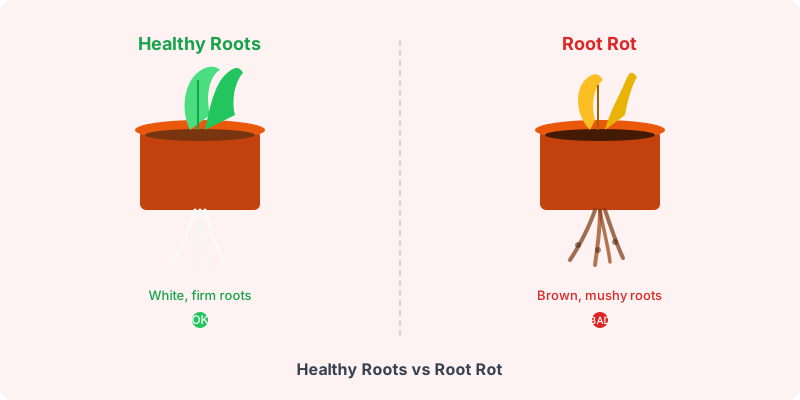
Brown, mushy roots. This is the definitive test. Healthy roots are white, cream, or light tan, and they feel firm to the touch. Rotting roots are brown or black, feel mushy and slimy, and often fall apart when you touch them.
If you’re seeing two or more of these signs, it’s time to take action. Don’t wait to “see if it gets better.” Root rot doesn’t resolve itself, it only gets worse.
Step-by-Step: How to Save a Plant with Root Rot
Alright, you’ve confirmed root rot. Here’s exactly what to do. I’ve used this process probably two dozen times at this point, and it works as long as the plant still has some healthy roots left.
1. Remove the Plant from Its Pot
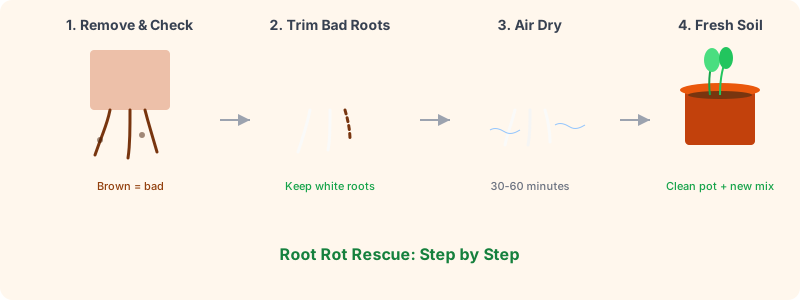
Gently tip the pot and slide the plant out. Don’t yank it by the stem. If it’s stuck, squeeze the sides of a plastic pot or run a knife along the inside edge. Once it’s out, shake off as much soil as you can from the root ball.
2. Wash the Roots Under Running Water
Hold the roots under lukewarm running water and gently wash away all the remaining soil. You need to be able to see every root clearly so you can tell which ones are healthy and which are rotting. Be gentle here since even the healthy roots are stressed.
3. Cut Away All Brown and Mushy Roots
Grab a pair of clean, sharp scissors or pruning shears. Sterilize them with rubbing alcohol first. Then cut away every single root that looks brown, black, mushy, or slimy. Don’t be shy about this. It’s better to remove too much than to leave rotting material behind, because the fungus will just spread to the remaining healthy roots.
If you’re removing more than about half the roots, you’ll also want to trim back some of the foliage. The reduced root system can’t support the same amount of leaves, so pruning the top growth gives the plant a better shot at recovery.
4. Let the Roots Air Dry
Set the plant on a clean towel or newspaper and let the roots dry for 30 to 60 minutes. This helps the cut ends callous over slightly and reduces the chance of the fungus reinfecting fresh cuts. Some people dip the remaining roots in a diluted hydrogen peroxide solution (one part 3% hydrogen peroxide to two parts water) before drying. I’ve done it both ways and both work, but the peroxide rinse gives me a little extra peace of mind.
5. Repot in Fresh, Dry Soil with a Clean Pot
Do not reuse the old soil. Toss it. If you’re reusing the same pot, scrub it thoroughly with soap and hot water (or a diluted bleach solution) to kill any lingering fungi.
Use a fresh, well-draining potting mix. I always add a generous scoop of perlite to improve aeration and drainage. For plants that are especially rot-prone, mixing in some orchid bark or pumice works wonders too.
Make sure the pot has drainage holes. This is non-negotiable. No drainage hole means water sits at the bottom and you’re setting yourself up for a repeat situation.
6. Hold Off on Watering for a Few Days
I know it feels counterintuitive. Your plant just went through surgery and you want to take care of it. But watering right away introduces moisture to freshly cut roots, which is exactly what caused the problem in the first place. Wait 3 to 5 days before giving it a light watering, and then gradually return to a normal schedule.
Keep the plant in bright, indirect light during recovery. Avoid direct sun or very dark corners. Think of it as a recovery room where conditions are gentle and consistent.
Which Plants Are Most Prone to Root Rot?
Some plants are more forgiving of wet feet than others. Here are the ones I see get hit with root rot most often:
Pothos are incredibly popular and generally easy to care for, which is why so many people are surprised when they develop root rot. The thing is, Pothos are so tolerant that they often don’t show symptoms until the rot is pretty advanced. A drooping Pothos with yellow leaves is one of the most common root rot presentations I see.
Calatheas are already finicky about their care, and they don’t handle soggy soil well at all. If your Calathea leaves are curling, root rot could be the hidden cause, especially if you’ve already ruled out humidity and water quality issues.
Monstera have big, dense root systems that hold a lot of moisture. In a pot that’s too large or soil that’s too heavy, those roots stay wet for way too long.
Peace Lilies droop dramatically when they want water, which leads a lot of people to water them preemptively and too often. That overcompensation frequently leads to root rot.
Succulents and cacti might seem tough, but their roots are adapted to dry conditions. Even a small amount of excess moisture can trigger rot in these plants surprisingly fast.
On the other hand, some plants handle moisture better than others. Spider plants, for example, have thick tuberous roots that are somewhat more resistant to rot, though they’re certainly not immune.
How to Prevent Root Rot
Saving a plant from root rot is great, but preventing it in the first place is way better. These habits will keep root rot from showing up at all.
Always check the soil before watering. Stick your finger an inch or two into the soil. If it still feels moist, put the watering can down and check again in a couple of days. This single habit prevents more root rot than anything else. If you struggle with knowing when to water, check out our guide on overwatering vs. underwatering for a deeper breakdown.
Use pots with drainage holes. Every single time. Those beautiful decorative pots without drainage holes? Use them as cache pots. Put your plant in a plastic nursery pot with holes and set it inside the decorative pot. Just remember to empty any water that collects in the outer pot after watering.
Choose a well-draining soil mix. Standard potting soil holds too much water for a lot of houseplants. Mix in perlite (about a 2:1 ratio of soil to perlite for most plants) to create air pockets and improve drainage. For succulents and cacti, use a dedicated cactus mix or add even more perlite and coarse sand.
Don’t let pots sit in saucers of water. After you water, check the saucer 15 to 20 minutes later and dump out anything that’s collected there. Roots sitting in standing water is one of the fastest paths to rot.
Consider terracotta pots. Terracotta is porous, which means it absorbs and wicks away excess moisture from the soil. It’s not magic, you can still overwater in terracotta, but it does provide a buffer that plastic and glazed ceramic pots don’t offer. I use terracotta for all of my rot-prone plants and it’s made a noticeable difference.
Size your pots correctly. A pot that’s way too big holds more soil than the roots can use, and that extra soil stays wet for much longer. When repotting, go up only one or two inches in diameter from the previous pot.
When Is It Too Late?
Sometimes you do everything right and the plant still doesn’t make it. If you pull a plant out and every single root is brown and mushy with nothing healthy left, the root system is gone and the plant can’t recover through normal repotting.
But even then, don’t throw it away just yet. If there are still healthy stems and leaves above the soil line, you might be able to save the plant through water propagation or stem cuttings. Cut a healthy section of stem (with at least a couple of nodes), place it in clean water, and wait for new roots to grow. This works especially well with Pothos, Monstera, and Philodendrons.
If the entire plant is mushy from root to leaf, then yes, it’s time to let go. Compost it and learn from the experience. Every plant person has lost a plant to root rot at some point. It’s practically a rite of passage.
For beginners who are just starting their plant collection, choosing plants that are more forgiving of watering mistakes can help you build confidence before taking on the trickier species.
Quick Reference: Root Rot Checklist
Use this as a quick guide whenever you suspect root rot:
| Step | Action | Details |
|---|---|---|
| Diagnose | Check for symptoms | Yellow leaves, wilting in wet soil, foul smell, soft stems |
| Confirm | Inspect the roots | Brown/black and mushy = root rot. White/firm = healthy |
| Remove | Unpot the plant | Gently remove and shake off old soil |
| Clean | Wash roots | Lukewarm running water, remove all soil |
| Trim | Cut rotted roots | Sterilized scissors, remove all brown/mushy parts |
| Dry | Air dry roots | 30-60 minutes on clean towel. Optional peroxide dip |
| Repot | Fresh soil, clean pot | Well-draining mix with perlite, pot with drainage holes |
| Wait | Delay watering | No water for 3-5 days after repotting |
| Monitor | Watch for recovery | New growth in 2-4 weeks means it’s working |
Prevention cheat sheet:
- Check soil moisture before every watering
- Drainage holes on every pot, no exceptions
- Perlite in every soil mix
- Empty saucers after watering
- Right-sized pots (not too big)
- Terracotta for rot-prone plants
You’ve Got This
Root rot sounds scary, and honestly it can be pretty devastating when it hits your favorite plant. But now you know what to look for, exactly how to fix it, and how to stop it from happening again. Most plants are tougher than we give them credit for. Give yours a fighting chance with the steps above, and you’ll be surprised how often they pull through.
And if you do lose one? Grab a new plant, adjust your watering habits, and keep going. That’s what plant parenthood is all about.
Advertisement