Monstera Care Guide: How to Keep Your Swiss Cheese Plant Happy
The complete monstera care guide covering light, water, soil, humidity, and those famous fenestrations. Plus how to fix common problems.
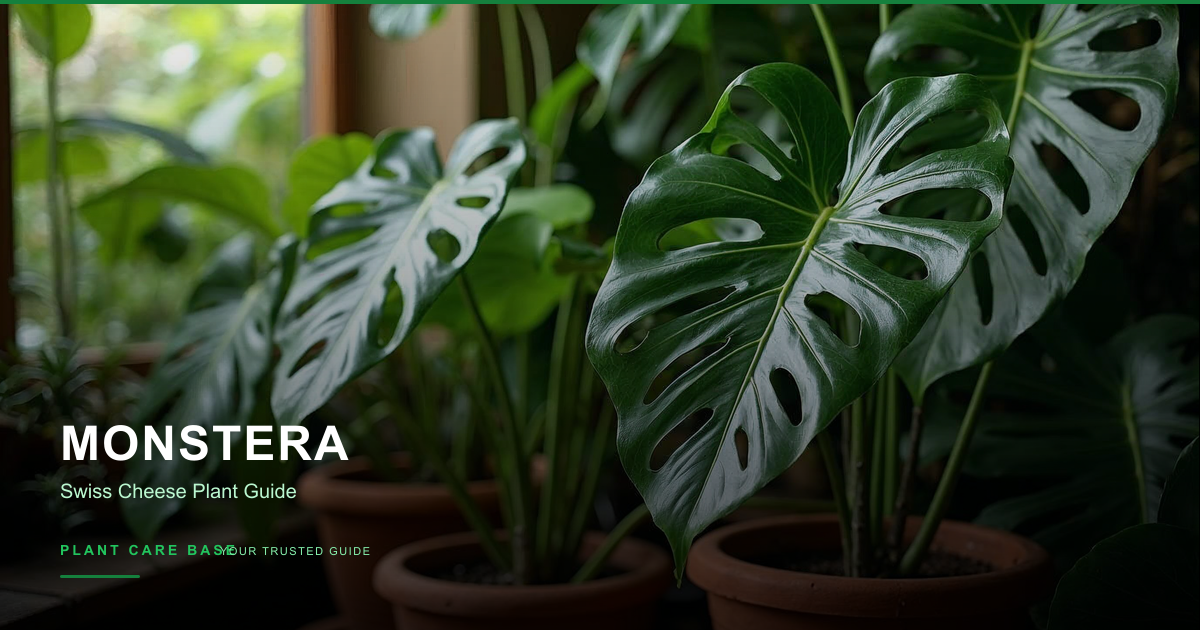
There’s a reason you see monstera in every coffee shop, every plant influencer’s feed, and every “urban jungle” apartment tour. Those big, glossy leaves with the dramatic holes and splits just look incredible. But here’s the thing most people don’t realize: monstera is not some fussy tropical diva. It’s actually one of the easier houseplants to keep happy, right up there with pothos and spider plants.
I’ve had my Monstera deliciosa for about four years now, and it’s gone from a small nursery pot with three leaves to a sprawling beast that takes up an entire corner of my living room. If you just brought one home or you’re trying to figure out why yours isn’t thriving, this guide covers everything you need to know.
What Makes Monstera So Popular
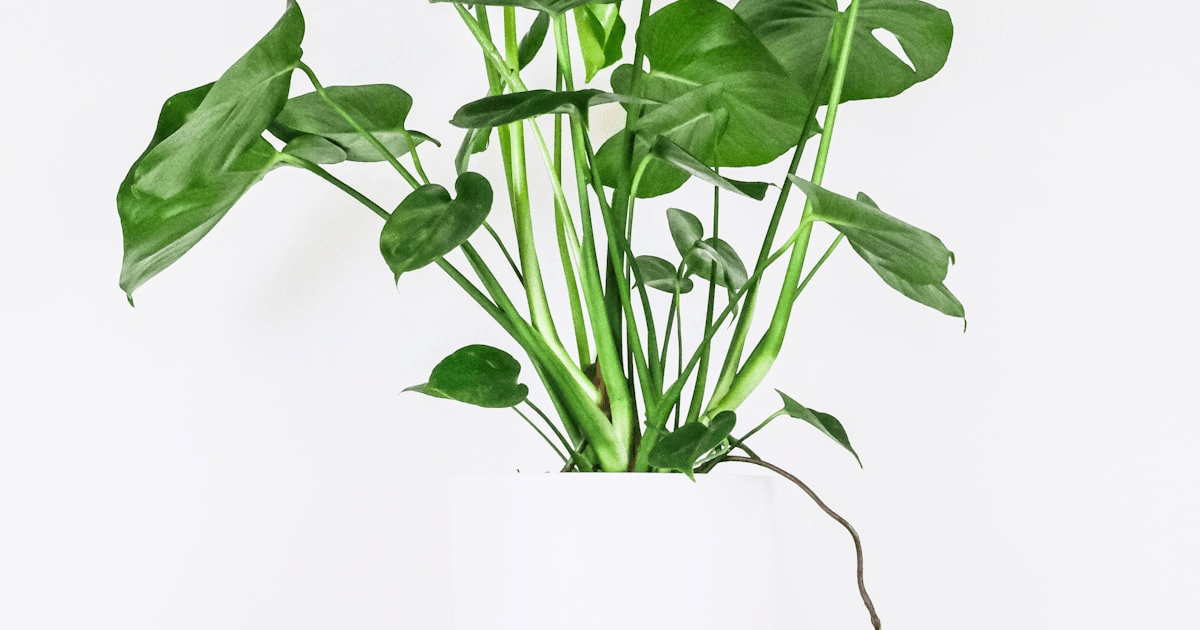
Let’s talk about those holes. The splits and holes in monstera leaves are called fenestrations, and they’re the whole reason this plant became an Instagram sensation. Scientists believe the fenestrations evolved to help the plant survive in tropical forest understories, letting light pass through to lower leaves and reducing wind resistance during storms.
The common name “Swiss Cheese Plant” comes from the mature leaves looking like, well, Swiss cheese. Young monstera leaves come out solid and heart-shaped. As the plant matures and gets enough light, the leaves develop deeper splits along the edges first, then those iconic interior holes.
Beyond the looks, monstera checks a lot of practical boxes too. It tolerates a range of indoor conditions, grows at a satisfying pace so you actually feel like a good plant parent, and it’s a great candidate for our best houseplants for beginners list. You really don’t need a green thumb to make this one work.
Light Requirements
Getting the light right is probably the single most important factor for a happy monstera, especially if you want those gorgeous fenestrated leaves.
Bright, indirect light is the sweet spot. Think a few feet from an east-facing or north-facing window, or set back from a south or west window where direct sun can’t hit the leaves. In the wild, monstera grows under the canopy of taller trees, so it’s adapted to filtered, dappled light rather than full sun.
What to avoid: Direct afternoon sunlight will scorch the leaves, leaving brown, crispy patches that won’t heal. If you notice tan or bleached spots on leaves that get direct sun, move the plant back or add a sheer curtain to filter the light.
Low light: Your monstera will survive in a dimmer spot, but you’ll notice a few trade-offs. Growth slows down significantly, the leaves stay smaller, and those fenestrations you’re probably hoping for? They’ll develop much more slowly, or not at all. If your monstera has been pushing out small, solid leaves with no splits, low light is almost always the reason. Our full guide on why your monstera isn’t splitting breaks down all five common causes and the specific changes that fix each.
Quick light tips:
- East or north-facing windows are usually ideal without any adjustments
- South or west windows work well if the plant is set back 3-5 feet or filtered by a curtain
- Rotate the pot a quarter turn every couple of weeks so the plant grows evenly
- If you only have low-light rooms, a grow light can make a big difference
Watering Your Monstera
Monstera likes to be watered thoroughly and then left alone until the soil dries out a bit. Think “soak and dry” rather than frequent little sips.
The method I use: Stick your finger about two inches into the soil. If it’s dry at that depth, it’s time to water. If it still feels damp, wait a few more days. When you do water, pour slowly and evenly until water runs out of the drainage holes. Let the pot drain completely before putting it back in its saucer or decorative pot.
During the growing season (spring and summer), that usually means watering every one to two weeks, depending on the size of the plant, the pot, and the conditions in your home. In winter, growth slows down and the plant uses less water. I usually stretch to every two to three weeks in the colder months.
Monstera is sensitive to overwatering. Keeping the soil constantly wet is the fastest way to run into problems like yellowing leaves and root rot. If you’re ever unsure whether to water, wait another day or two. This plant handles mild drought much better than soggy roots. Our overwatering vs underwatering guide breaks down the signs in detail if you want to get better at reading your plants.
Humidity
Monstera comes from tropical Central America, so it naturally appreciates some humidity. The ideal range is around 50-60%, which is a bit higher than most homes in winter but totally achievable.
Here’s the thing about misting: a lot of people swear by it, but misting your monstera’s leaves a couple times a day really doesn’t raise the ambient humidity in any meaningful way. The water evaporates within minutes. It’s not harmful, but don’t count on it as your humidity strategy.
What actually works:
- A humidifier is the most effective option by far. Set one near your plant cluster and you’re done.
- A pebble tray (a tray filled with pebbles and water placed under the pot) provides a gentle boost of humidity as the water evaporates throughout the day.
- Grouping plants together creates a little microclimate since plants release moisture through their leaves.
- Bathrooms and kitchens naturally have higher humidity and can be great monstera spots if the light is right.
If your home stays above 40% humidity, your monstera will probably be fine. Below that, especially during dry winters with forced-air heating, you might see brown, crispy leaf edges.
Soil and Potting
Monstera is an aroid, and aroids need soil that’s chunky, well-draining, and airy. Standard potting mix straight out of the bag tends to hold too much moisture and compact over time, which is a recipe for root rot.
My go-to aroid mix:
- 1 part standard indoor potting soil
- 1 part orchid bark (for drainage and air pockets)
- 1 part perlite (keeps things light and prevents compaction)
You can also buy pre-made aroid mixes from most plant shops. The goal is a soil that holds enough moisture to keep the roots hydrated between waterings but drains freely so nothing stays soggy.
Pot selection:
- Drainage holes are non-negotiable. No matter how pretty that pot is, if it doesn’t have a hole in the bottom, either drill one or use it as a decorative sleeve over a nursery pot.
- Repot every 1-2 years, or when roots start circling the bottom or growing out of the drainage holes.
- Go up only one pot size (about 2 inches in diameter) when repotting. A pot that’s too large holds excess moisture the roots can’t use.
One more thing: moss poles. In the wild, monstera is a climbing plant. It uses aerial roots to cling to trees and climb toward the light. Giving your monstera a moss pole or coco coir pole to climb encourages it to grow bigger leaves with more fenestrations. You’ll often see a dramatic difference between a monstera growing upright on a support versus one trailing sideways. If you’re not sure what to do with the aerial roots growing out of your monstera, our dedicated guide walks through the four ways to manage them.
When Do Leaves Split?
This is probably the most common question new monstera owners have, and the answer requires a little patience.
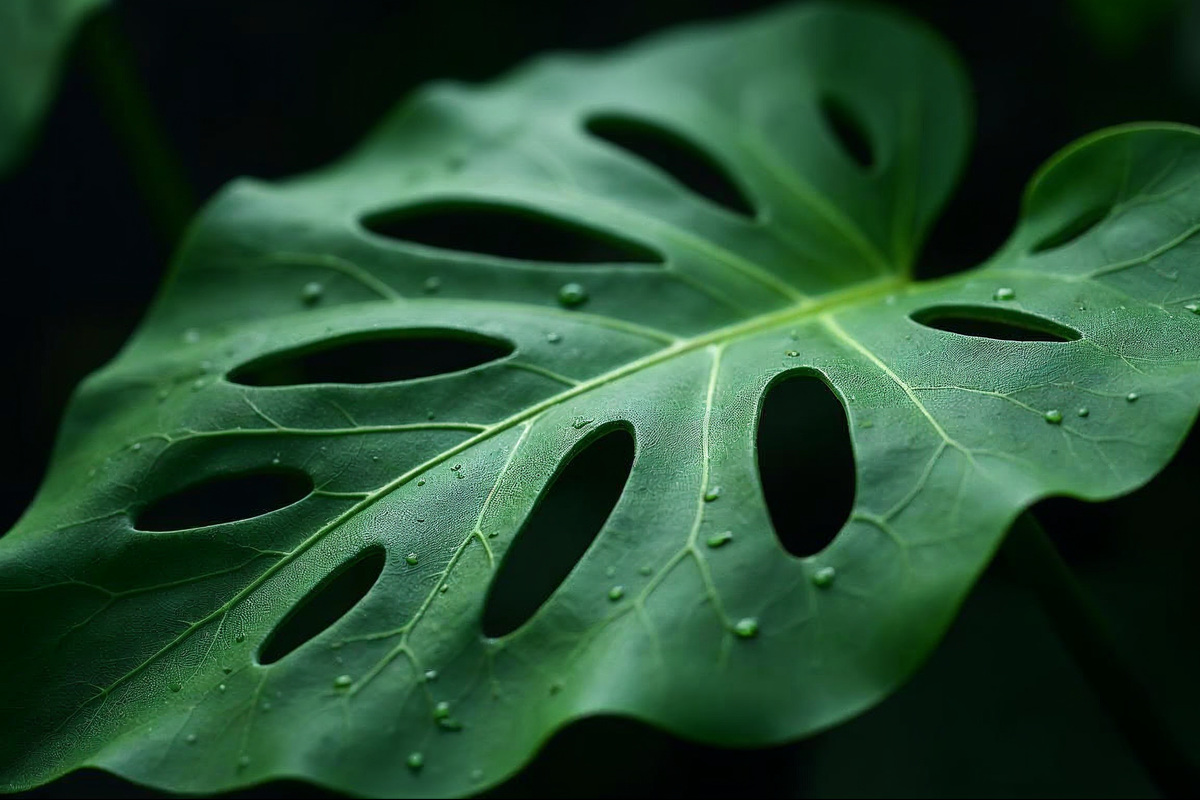
Most Monstera deliciosa plants don’t start developing fenestrations until they’re about 2-3 years old. Baby plants and juvenile leaves come out as solid, heart-shaped leaves with no splits at all. That’s completely normal.
The key factors for fenestrations:
- Age and maturity. There’s no shortcut here. Young plants simply haven’t reached the developmental stage where fenestrations happen.
- Enough light. This is the number one controllable factor. Monstera in low light will take much longer to develop splits, if they develop them at all. Bright, indirect light signals to the plant that conditions are good for producing large, fenestrated leaves.
- Support for climbing. A monstera climbing a moss pole tends to produce larger, more fenestrated leaves than one left to sprawl. The upward growth pattern triggers the plant to put out more mature foliage.
- General plant health. Good soil, proper watering, and occasional fertilizing during the growing season all contribute to a plant that’s strong enough to put energy into developing complex leaf structures.
If your monstera is still putting out solid leaves, give it more light, give it something to climb, and give it time. The splits will come.
Common Problems and How to Fix Them
Yellow Leaves
The most common cause is overwatering. When the roots sit in wet soil for too long, they can’t absorb oxygen properly and the leaves start turning yellow. Check the soil before your next watering and make sure you’re letting it dry out between sessions. If the problem is severe and the roots look brown and mushy, you may be dealing with root rot, which needs more aggressive intervention.
Other possible causes include too much direct sun, a sudden temperature drop, or a natural aging process where the oldest leaves at the bottom of the plant yellow and drop off.
Brown Leaf Edges
Crispy, brown edges are usually a humidity problem. If your indoor air is dry, especially in winter, the leaf margins are the first place to show stress. Bump up the humidity with a humidifier or pebble tray.
The other common cause is sunburn. If brown patches appear on the parts of the leaf facing a window, direct light is probably the culprit. Move the plant back or filter the light.
No Fenestrations
If your monstera keeps putting out solid leaves with no splits or holes, the two most likely reasons are not enough light and the plant being too young. Move it closer to a bright window (still avoiding direct sun) and be patient. Giving it a moss pole to climb can also help trigger more mature leaf growth.
Leggy Growth with Small Leaves
Long stretches of bare stem between small leaves mean the plant is reaching for more light. Move it to a brighter location and prune the leggy sections. You can propagate the cuttings to start new plants or root them back into the same pot for a fuller look.
Root Rot
This happens when roots sit in waterlogged soil for extended periods. The roots turn brown, mushy, and may smell bad. If you catch it early, you can save the plant by removing it from the pot, trimming away all the rotten roots with clean scissors, and repotting in fresh, well-draining soil. Check our complete root rot guide for the full step-by-step rescue process.
Quick Care Cheat Sheet
| Need | Recommendation |
|---|---|
| Light | Bright indirect (tolerates low but grows slower) |
| Water | Every 1-2 weeks, let top 2 inches dry first |
| Soil | Chunky aroid mix (bark, perlite, potting soil) |
| Humidity | 50-60% ideal, use humidifier if needed |
| Temperature | 65-85°F (18-29°C) |
| Fertilizer | Monthly in spring/summer, balanced liquid at half-strength |
| Repotting | Every 1-2 years, one pot size up |
| Support | Moss pole encourages bigger, fenestrated leaves |
| Toxicity | Toxic to cats and dogs |
Final Thoughts
Monstera really earns its popularity. It’s a stunning plant that doesn’t demand expert-level care. Get the light right, don’t overwater, give it something to climb, and you’ll be rewarded with those dramatic fenestrated leaves that make everyone who walks into your home ask, “What plant is that?”
If your monstera is struggling right now, don’t panic. Start with the basics: check your watering habits, evaluate the light situation, and make sure the soil drains well. These plants are resilient, and small adjustments usually lead to big improvements pretty quickly.
Looking for more easy-care plants to grow alongside your monstera? Our pothos care guide covers another practically indestructible aroid, and our best houseplants for beginners roundup has plenty of options for building out your collection.
Happy growing.
Frequently Asked Questions
When do monstera leaves start splitting?
How often should I water my monstera?
Is monstera toxic to pets?
Don't miss our guides
Weekly plant care newsletter.