Peace Lily Care: How to Get More Flowers and Fewer Brown Tips
Everything you need to know about peace lily care. Learn the watering trick that keeps them happy, how to get more blooms, and how to fix brown leaf tips.
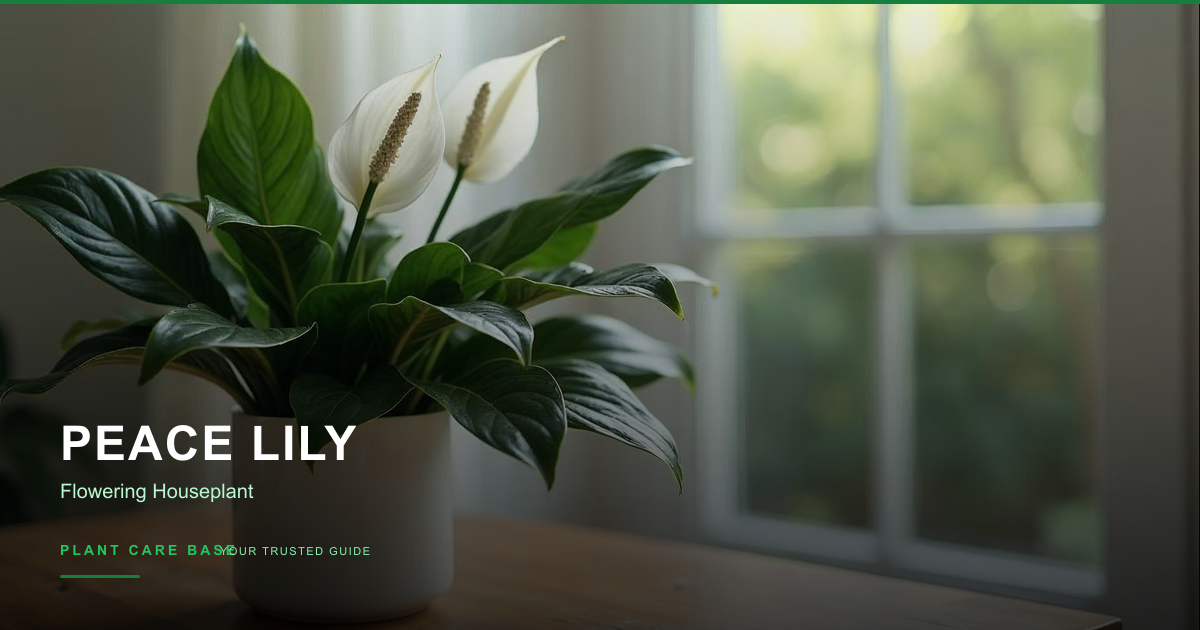
Most houseplants make you choose between easy care and actual flowers. Peace lilies don’t. They’re one of the very few indoor plants that will bloom reliably in low light, and they do it while looking effortlessly elegant with those glossy, dark green leaves. I’ve had one sitting in a dim corner of my living room for years, and it still pushes out white spathes every spring without much fuss.
On top of being beautiful, peace lilies (Spathiphyllum) are genuinely good at cleaning indoor air. NASA’s clean air study ranked them among the best houseplants for filtering toxins like formaldehyde, benzene, and ammonia. So you get a plant that flowers, tolerates neglect, purifies your air, and looks fantastic doing it. Hard to argue with that.
If you’re just bringing one home or trying to figure out why yours looks sad, this guide covers everything from getting more blooms to fixing those annoying brown leaf tips.
Why Peace Lilies Are Special
Walk through any garden center and count how many flowering houseplants actually thrive in low light. You won’t need many fingers. Peace lilies sit in a category almost by themselves. Most flowering plants demand bright light or even some direct sun to produce blooms, but peace lilies will flower happily in the same spots where you’d normally keep a snake plant or pothos.
The white “flower” is actually a modified leaf called a spathe that wraps around a small spike of tiny flowers. It’s a clever design, and it’s part of what makes peace lilies so striking. A healthy plant can produce several spathes a year, each lasting for weeks before slowly fading to green.
They also happen to be one of the best houseplants for beginners because they practically tell you what they need. More on that in the watering section.
Light Requirements
Peace lilies prefer low to medium indirect light. That means they’ll do well a few feet from a north or east-facing window, in a bright room away from the window, or even in an office with only fluorescent lighting. I’ve seen them thriving in windowless break rooms at offices, which says a lot about how adaptable they are.
The one thing you want to avoid is direct sunlight. Even an hour or two of harsh afternoon sun can scorch those beautiful glossy leaves, leaving them with yellow or brown patches. If you notice pale, washed-out leaves, your peace lily is getting too much light.
Here’s the trade-off to understand: more light equals more flowers. A peace lily in a very dim corner will survive and look fine, but it probably won’t bloom much. If you want those white spathes showing up regularly, give it the brightest indirect light you can. A spot near (but not in) a window with filtered light hits the sweet spot between healthy leaves and consistent flowering.
Watering
This is where peace lilies really stand out from other houseplants. They tell you exactly when they’re thirsty, and they’re not subtle about it.
When a peace lily needs water, the entire plant droops dramatically. Leaves that were standing upright will sag and flop over like the plant is giving up on life. The first time you see it happen, you’ll probably think you killed it. You didn’t. Give it a thorough watering and check back in a couple of hours. It will be standing perfectly upright again like nothing happened.
My watering routine:
- Check the soil by sticking your finger about an inch deep.
- If it’s dry, water slowly and thoroughly until water drains from the bottom.
- If it’s still moist, check again in a day or two.
- In summer, I end up watering about once a week. In winter, every 10-14 days.
One thing that makes a real difference with peace lilies: use filtered or distilled water. These plants are sensitive to chlorine and fluoride in tap water, and those chemicals are one of the top causes of brown leaf tips. If filtered water isn’t practical, at least let your tap water sit out overnight so the chlorine can evaporate.
Bottom watering works especially well for peace lilies. Set the pot in a tray of water for 15-20 minutes and let the soil soak it up from below. This encourages roots to grow downward and ensures even moisture throughout the pot. Just don’t leave it sitting in water for hours.
Humidity
Peace lilies are tropical plants, and they love humidity. They do best at 50% humidity or higher, which is above what most homes offer, especially in winter with the heat running.
Low humidity is actually one of the most common reasons for brown leaf tips on peace lilies. If your plant’s leaves look healthy overall but the very tips are turning brown and crispy, dry air is likely the culprit.
Ways to boost humidity:
- Bathroom placement. If your bathroom gets some natural light, it’s the perfect spot. The steam from showers creates exactly the environment peace lilies love.
- Pebble tray. Set the pot on a tray filled with pebbles and water. As the water evaporates, it adds moisture to the air right around the plant.
- Group your plants. Plants release moisture through their leaves, so clustering several plants together raises the humidity for all of them.
- Humidifier. The most effective option if you have several tropical plants.
Soil and Potting
Peace lilies aren’t demanding about soil, but they do need a mix that holds moisture without staying waterlogged. A standard indoor potting mix with a handful of perlite mixed in works perfectly. The perlite improves drainage and keeps the soil from compacting over time.
The goal is soil that stays lightly moist but never soggy. Peace lilies like their roots damp, not swimming. If the soil stays wet for days after watering, you need better drainage, either more perlite in the mix or a pot with better drainage holes.
Repotting tips:
- Repot every 1-2 years, or when roots start circling the bottom of the pot.
- Go up only one pot size (1-2 inches larger). A pot that’s too big holds excess moisture and increases the risk of root rot.
- Spring is the best time to repot since the plant is entering its active growing season.
- Always use a pot with drainage holes. No exceptions.
How to Get More Flowers
This is the question I hear most from peace lily owners. The plant looks healthy, the leaves are gorgeous, but no flowers. Here’s what actually works.
Give it more light. This is the single biggest factor. A peace lily in a dim corner might survive for years without ever blooming. Move it to a spot with bright, indirect light and you’ll likely see flower spikes within a few months. You don’t need direct sun. Just more of that ambient, filtered brightness.
Let it get slightly root-bound. Peace lilies, like spider plants, tend to bloom more when their roots are a bit crowded. Don’t rush to repot every year. A snug pot can actually trigger the plant to put its energy into reproduction (flowers) rather than root expansion.
Fertilize during the growing season. Feed your peace lily every 6-8 weeks in spring and summer with a balanced liquid fertilizer diluted to half strength. A fertilizer slightly higher in phosphorus can encourage blooming. Stop feeding in fall and winter when growth slows down.
Be patient. Young peace lilies often won’t flower at all, no matter what you do. Most need to be at least a year old, and some varieties take longer. If your plant is healthy and growing new leaves, it’s on the right track. The flowers will come.
Common Problems
Brown Leaf Tips
This is the single most common peace lily complaint. The usual causes:
- Fluoride or chlorine in tap water. Switch to filtered, distilled, or rainwater. This alone fixes the problem for a lot of people.
- Low humidity. Dry air dries out leaf edges. Try a pebble tray or move the plant to a more humid room.
- Over-fertilizing. Salt buildup from too much fertilizer burns leaf tips. Flush the soil with plain water a few times to wash out excess salts, and cut back on feeding.
You can trim brown tips with clean scissors, cutting at an angle so the leaf still looks natural.
Drooping Leaves
Nine times out of ten, a drooping peace lily is just thirsty. Water it thoroughly and give it a couple of hours. It will almost certainly bounce right back. These plants are dramatic, but they’re also resilient.
If the soil is already wet and the plant is still drooping, that’s a different story. Wet soil plus drooping leaves often means root rot, and you’ll need to unpot the plant and check the roots.
Yellow Leaves
A few yellow leaves on the bottom of the plant are normal. Old leaves naturally yellow and die off as the plant grows new ones. Just pull them off gently.
If you’re seeing a lot of yellow leaves, especially newer ones, overwatering is the most likely cause. Make sure you’re letting the top inch of soil dry between waterings and that your pot drains well. For a deeper look at reading the signs, our overwatering vs underwatering guide breaks down the differences.
No Flowers
If your peace lily refuses to bloom:
- Not enough light. The number one reason. Move it somewhere brighter.
- Too young. Give it time. Mature plants bloom much more reliably.
- Needs fertilizer. A plant that hasn’t been fed in years may lack the nutrients to produce flowers.
- Recently repotted into a large pot. The plant is focusing on filling the pot with roots instead of flowering.
Root Rot
If your peace lily is drooping despite wet soil, has mushy brown roots, or smells off, you’re dealing with root rot. This happens when roots sit in soggy soil too long. Check out our full root rot guide for step-by-step instructions on saving the plant.
Pet Safety Warning
Peace lilies are toxic to cats and dogs. They contain calcium oxalate crystals that cause mouth irritation, drooling, difficulty swallowing, and vomiting if chewed or ingested. The reaction is usually not life-threatening, but it’s painful and unpleasant for pets.
If you have curious animals, place your peace lily somewhere completely out of reach, like a high shelf or a room your pets can’t access. If your pet does chew on a peace lily, contact your veterinarian. For a pet-safe alternative with similar easy-care vibes, take a look at spider plants.
Quick Care Cheat Sheet
| Need | Recommendation |
|---|---|
| Light | Low to medium indirect (no direct sun) |
| Water | When top inch of soil is dry, use filtered water |
| Soil | Standard potting mix with perlite |
| Temperature | 65-85°F (18-29°C) |
| Humidity | 50%+ preferred |
| Fertilizer | Every 6-8 weeks in spring/summer, half-strength |
| Repotting | Every 1-2 years, one size up |
| Toxicity | Toxic to cats and dogs |
Final Thoughts
Peace lilies are one of those plants that reward you without demanding much in return. Give them filtered water, keep them out of direct sun, and find a spot with decent indirect light, and they’ll thank you with glossy leaves and elegant white flowers for years.
If yours has brown tips, start with your water source. If it won’t bloom, give it more light. And when it droops dramatically on a Tuesday afternoon, don’t panic. Just water it and watch the comeback. These plants are tougher than they look.
Looking for more low-maintenance plants to pair with your peace lily? Check out our pothos care guide or spider plant care guide for plants that thrive in similar conditions with minimal effort.
Frequently Asked Questions
Why does my peace lily have brown tips?
How do I get my peace lily to flower?
Why is my peace lily drooping even though the soil is wet?
Are peace lilies safe for pets?
Don't miss our guides
Weekly plant care newsletter.